
In the modern era, our cities have become vibrant hubs of activity, but they have also become significantly louder. For residents of bustling metropolises, the auditory system is under constant siege. Hearing loss, once considered a natural byproduct of aging, is increasingly affecting younger demographics in metropolitan areas. Understanding the top causes of hearing loss in urban patients is the first step toward preserving one of our most vital senses.
What Is Hearing Loss?
Hearing loss occurs when there is a reduced ability to perceive sounds that others normally hear. It can range from mild (difficulty following a conversation in a noisy room) to profound (the inability to hear any speech). In urban settings, we often see Sensorineural Hearing Loss, caused by damage to the tiny hair cells in the inner ear, or Conductive Hearing Loss, which happens when sound cannot pass through the outer or middle ear effectively.
Why Hearing Loss Is Increasing in Urban Areas
Urbanization has brought about a unique set of environmental challenges. The transition from quiet, rural life to the high-decibel concrete jungle means our ears rarely get a period of true silence. Continuous exposure to background noise from construction to public transport keeps the auditory nerve in a state of constant overstimulation, eventually leading to fatigue and permanent damage.
Top Causes of Hearing Loss in Cities
Urban living presents several specific risk factors that contribute to the rising rates of auditory impairment.
Noise Pollution
Traffic, sirens, and construction are the hallmarks of city life. Constant exposure to noise levels above 85 decibels (dB) can gradually destroy the delicate structures of the inner ear. In many cities, peak traffic noise can exceed 90 dB, making daily commutes a hidden risk for hearing health.
Headphone Overuse
The personal audio revolution has significantly impacted urban youth. Many commuters use noise-canceling headphones to drown out city sounds, often cranking the volume to dangerous levels. Listening to music at high volumes for extended periods is a leading cause of premature hearing loss.
Workplace Noise Exposure
It isn’t just factory workers at risk. People working in open-plan offices, busy restaurants, or near high-traffic commercial zones are exposed to persistent ambient noise that can contribute to long-term auditory decline.
Aging Population
As healthcare improves in cities, people are living longer. Presbycusis, or age-related hearing loss, remains a major factor, often exacerbated by the lifelong accumulation of urban noise damage.
Ear Infections
Urban pollution and high population density can lead to increased respiratory infections, which often spread to the middle ear. If left untreated, chronic ear infections can lead to permanent conductive hearing loss.
Lifestyle Stress
Emerging research suggests a link between high-stress urban lifestyles and conditions like Tinnitus (ringing in the ears). Chronic stress can affect blood circulation to the inner ear, potentially worsening existing hearing issues.
Early Warning Signs
Hearing loss often develops so gradually that it goes unnoticed until it is significant. Watch for these red flags:
- Frequently asking people to repeat themselves.
- Thinking that others are mumbling.
- Turning the TV or radio volume higher than others find comfortable.
- Difficulty hearing high-pitched sounds (like birds or doorbells).
- A persistent ringing or buzzing sound in the ears (tinnitus).
Diagnosis and Hearing Tests
If you suspect a decline in your hearing, a professional evaluation is essential. A diagnostic session typically includes:
- Physical Exam : Checking for earwax buildup or infection.
- Pure Tone Audiometry : You wear headphones and indicate when you hear sounds at various pitches and volumes.
- Speech Audiometry : Testing how well you can distinguish spoken words from background noise.
- Tympanometry : Measuring the movement of the eardrum to check for middle ear issues.
Advanced Treatment Options at Manipal Hospitals
Under the expert guidance of Dr. Satish Nair, one of the most distinguished ENT and Head & Neck surgeons in Bangalore, patients have access to a full spectrum of restorative hearing solutions. With over 32 years of clinical excellence, Dr. Nair and his team specialize in matching the right technology to the specific type of hearing impairment.
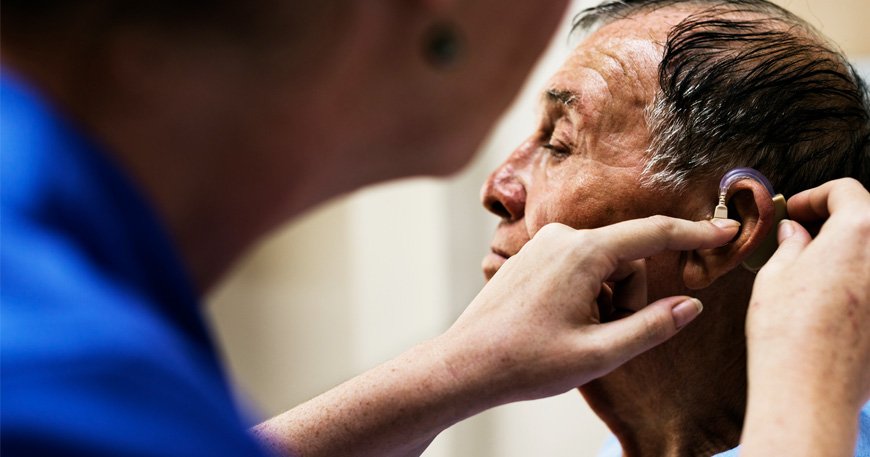
- Hearing Aids : Advanced, discreet devices that amplify specific frequencies.
- Cochlear Implants : For severe cases where the inner ear is significantly damaged.
- Medical Intervention : Antibiotics for infections or surgical procedures to repair the eardrum or tiny ear bones.
- Assistive Listening Devices : Specialized tools for phones or public venues to enhance clarity.
Prevention Tips for Urban Residents
- The 60/60 Rule: Listen to headphones at no more than 60% volume for no more than 60 minutes a day.
- Use Earplugs : Carry high-fidelity earplugs for concerts, sporting events, or even loud subway rides.
- Noise Breaks : Give your ears quiet time every day to recover from environmental noise.
- Regular Checkups : Get an annual hearing test, especially if you live in a high-noise area.
FAQs
Why is hearing loss increasing in cities?
The combination of constant environmental noise, higher population density leading to infections, and the widespread use of personal audio devices has created a perfect storm for auditory damage.
Can traffic noise cause permanent hearing loss?
Yes. Prolonged exposure to traffic noise (often 80–90 dB) can lead to gradual, permanent damage to the hair cells in the cochlea.
How do headphones damage hearing?
They deliver sound directly into the ear canal. If the volume is high, the sound pressure can cause immediate and cumulative damage to the inner ear.
Is urban pollution linked to hearing problems?
Studies suggest that certain air pollutants (ototoxins) can enter the bloodstream and damage the auditory nerve or exacerbate the effects of noise.
Early symptoms of hearing loss in adults?
The most common early sign is difficulty understanding speech in crowded environments, such as restaurants or family gatherings.