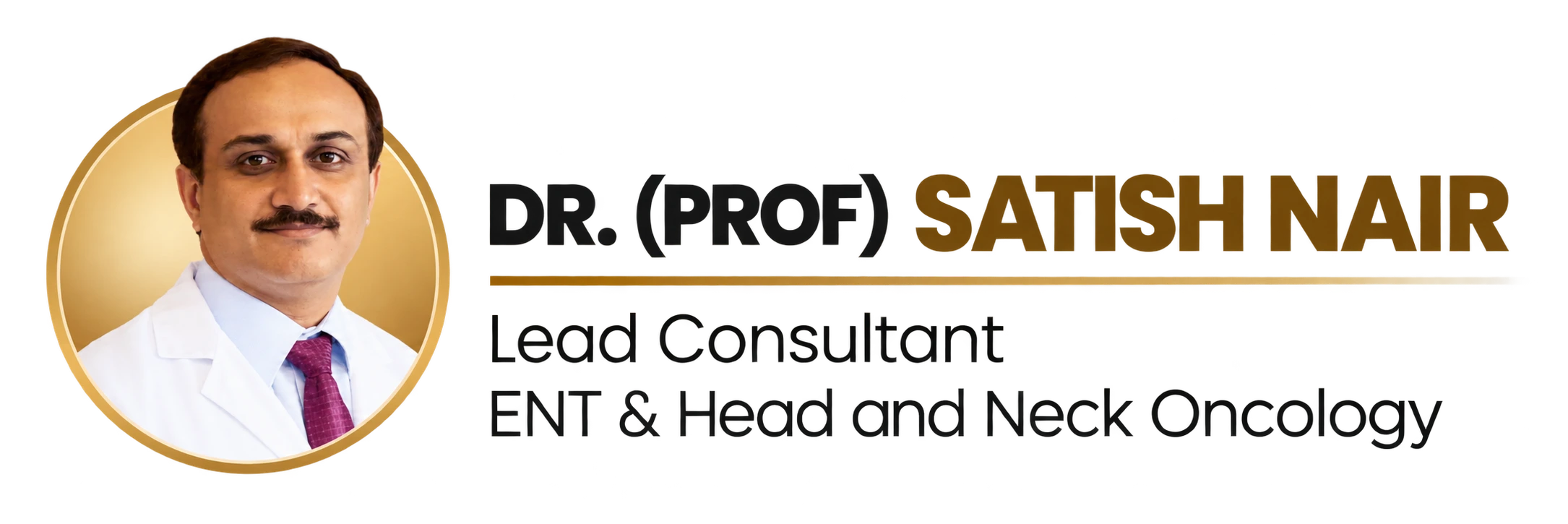

The thyroid gland, a small butterfly-shaped organ located at the base of your neck, plays a monumental role in your body’s overall metabolic health. It acts as the master controller, influencing everything from your heart rate to your ability to burn calories. When this gland fails to function correctly producing either too much or too little hormone the impact can be felt in virtually every system of your body. If you are seeking the best treatment for thyroid problems in Bangalore, Manipal Hospitals Kanakapura Road, led by the renowned expertise of Dr. Satish Nair and team, offers world-class diagnostic and therapeutic interventions tailored to individual patient needs.
What Are Thyroid Disorders? An Overview
Thyroid problems occur when the thyroid gland becomes dysfunctional, disrupting the delicate hormonal balance of the body. This gland is responsible for releasing thyroxine (T4) and triiodothyronine (T3), hormones that regulate energy levels and body temperature. The clinical landscape of thyroid disorders is broad, but the most common conditions include:
- Hypothyroidism : An underactive thyroid that doesn’t produce enough hormones, leading to a slowed down metabolism and systemic lethargy.
- Hyperthyroidism : An overactive thyroid that produces excessive hormones, causing the body’s processes to speed up to dangerous levels.
- Thyroid Nodules and Goiter : Physical swellings or lumps in the gland. While many are benign, some can interfere with breathing or signify more serious underlying issues like malignancy.
- Thyroiditis : An inflammation of the gland, often caused by an immune system attack or a viral infection.
Symptoms of Thyroid Problems
Recognizing thyroid issues early is crucial for effective management and preventing long-term complications such as heart disease or osteoporosis. Symptoms differ significantly based on whether the gland is over-performing or under-performing:
- Hypothyroidism Symptoms : Chronic fatigue, unexplained weight gain, depression, cold intolerance, dry skin, constipation, and thinning hair.
- Hyperthyroidism Symptoms : Sudden weight loss, rapid or irregular heartbeat (palpitations), excessive sweating, irritability, hand tremors, and muscle weakness.
- Physical Changes : A visible swelling in the neck (goiter), difficulty swallowing, or a persistent hoarse voice may indicate the presence of nodules.
Causes of Thyroid Disorders
Several factors can trigger thyroid dysfunction. Dr. Satish Nair and team at Manipal Hospitals Kanakapura Road specialize in identifying these root causes through a multidisciplinary approach:
- Autoimmune Diseases : Conditions like Hashimoto’s disease (the leading cause of hypothyroidism) or Graves’ disease (which triggers hyperthyroidism).
- Iodine Imbalance : Iodine is the raw material for thyroid hormones. Both a deficiency and an excess of iodine can lead to thyroid disorders.
- Inflammation : Thyroiditis can cause the gland to leak its entire supply of stored hormones into the bloodstream at once.
- Nodules or Tumors : While most nodules are benign, a small percentage are cancerous or may become toxic, producing hormones independently of the body’s needs.
Method of Thyroid Diagnosis in Bangalore
Accurate diagnosis is the absolute cornerstone of the best treatment for thyroid problems in Bangalore. At Manipal Hospitals, the diagnostic process is streamlined and highly precise, usually involving:
- Thyroid Profile Test : A comprehensive blood test measuring levels of TSH (Thyroid Stimulating Hormone), T3, and T4. TSH is often the most sensitive indicator of thyroid health.
- Ultrasonography : High-resolution imaging is used to visualize the structure of the gland and identify the size and nature of any detected nodules.
- FNAC (Fine Needle Aspiration Cytology) : If a suspicious nodule is found, this ultra-fine needle biopsy is performed to determine if the growth is cancerous or benign.
- Thyroid Scan : Using radioactive tracers to see how the gland is functioning globally.
Treatment Options in Bangalore for Thyroid in Bangalore
As the best hospital for thyroid treatment in Bangalore, Manipal Hospitals Kanakapura Road provides a comprehensive suite of medical and surgical interventions.
Medication
For most patients with hypothyroidism, daily oral hormone replacement therapy (Levothyroxine) is the standard and highly effective treatment. For hyperthyroidism, anti-thyroid medications are used to block the gland’s ability to produce new hormones.
Radioactive Iodine Therapy
Often used for hyperthyroidism or thyroid cancer, this therapy involves swallowing a specific dose of radioactive iodine. Since the thyroid is the only organ that absorbs iodine, the radiation targets and destroys overactive or cancerous thyroid cells while leaving the rest of the body unaffected.
Thyroid Surgery
In cases of large goiters that cause pressure symptoms, suspicious nodules, or confirmed thyroid cancer, a Thyroidectomy (partial or total removal of the gland) may be required. Dr. Satish Nair, a veteran Head and Neck Surgeon with over three decades of experience, is an expert in:
- Conventional Surgery : Highly safe and standard approach.
- Endoscopic and Robotic Thyroidectomy : Specialized scarless or minimally invasive techniques that ensure minimal scarring and significantly faster recovery times.
Cost of Thyroid Treatment in Bangalore
The cost of thyroid care in a metropolitan hub like Bangalore varies based on the complexity of the case:
| Service / Procedure | Estimated Cost Range (INR) |
| Thyroid Profile (TSH, T3, T4) | ₹600 – ₹1,200 |
| Thyroid Ultrasound | ₹1,000 – ₹2,500 |
| FNAC / Biopsy | ₹3,000 – ₹6,000 |
| Conventional Thyroidectomy | ₹80,000 – ₹1,60,000 |
| Robotic/Endoscopic Surgery | ₹1,80,000 – ₹2,80,000 |
When to See a Thyroid Doctor in Bangalore
You should seek help from the best hospital for thyroid treatment in Bangalore if you experience persistent changes in your energy levels, unexplained weight fluctuations, or emotional instability that doesn’t resolve with lifestyle changes. Early consultation with Dr. Satish Nair and team is particularly vital if you notice a visible lump in your neck, experience a change in your voice, or have difficulty breathing or swallowing, as these can be signs of a fast-growing nodule.
FAQs
Is thyroid surgery always necessary for swelling?
No. Most thyroid nodules are benign and only require regular active surveillance. Surgery is typically reserved for suspected malignancy, goiters causing physical discomfort, or hyper-secreting nodules that don’t respond to medicine.
Can thyroid problems be cured permanently?
Conditions like hyperthyroidism can often be cured permanently through radioactive iodine or surgery. However, most cases of hypothyroidism (like Hashimoto’s) require lifelong, daily medication to maintain normal hormone levels.
What makes Manipal Hospitals Kanakapura Road a top choice?
The combination of Dr. Satish Nair’s 32+ years of surgical expertise and the hospital’s advanced robotic and endoscopic facilities makes it a premier center for endocrine care.
How long is the recovery after thyroid surgery?
With modern techniques like endoscopic surgery, many patients can return home within 24–48 hours and resume normal daily activities within a week.